If you’ve spent any time researching website platforms, WordPress has almost certainly come up. It powers over 40% of all websites on the internet — from small business blogs to large-scale ecommerce stores — and for good reason. But is it the right platform for your business?
At ZOO Media Group, we’ve been building custom WordPress websites for over 25 years. We’ve worked with entrepreneurs, national corporations, and everyone in between. And the honest answer is: WordPress is an excellent platform for many businesses, but it’s not the perfect solution for everyone.
In this article, we’re breaking down the real pros and cons of WordPress (WP) — not a generic checklist, but the things we actually see in practice when we’re designing, building, and maintaining websites for our clients. Whether you’re starting from scratch or thinking about switching platforms, this guide will help you make a more informed decision.
Is WordPress good for business websites? Yes — WordPress is one of the best platforms available for business websites. It’s flexible, SEO-friendly, and cost-effective when built correctly. However, it requires regular maintenance and the right development approach to perform at its best. Working with an experienced web development agency like ZOO Media Group ensures you get the most out of the platform.
What Is WordPress, and Why Is It So Popular?
The platform started in 2003 as a simple blogging tool. Today it’s the world’s most widely used content management system (CMS), powering everything from personal portfolios to complex multi-language corporate websites and full ecommerce platforms.
Its popularity comes down to a few key factors: WP is open-source (free to use and modify), it has a massive ecosystem of themes and plugins, and it’s backed by a huge global community of developers and designers.
For businesses considering a new website, it’s the platform we most frequently recommend — particularly for clients who want the ability to manage and update their own content without needing to call a developer every time they want to change a paragraph or add a new product.
That said, like any platform, it has its limitations. Let’s get into them.
The Pros of WordPress Websites
1. WordPress Is Easy to Manage (Even Without Technical Skills)
One of the biggest advantages of WP is its backend — the part of the website you log into to add content, update pages, publish blog posts, and manage your site day-to-day.
It was originally designed with non-technical users in mind, and that philosophy has carried forward. You don’t need to know how to code to update your homepage, write a blog post, or swap out images. The content editor is intuitive, and with the right setup, managing your website feels less like a technical task and more like using a word processor.
This is a huge deal for small and medium-sized businesses that don’t have a dedicated IT team. You stay in control of your own content without depending on a developer for every small change.
2. WordPress Is an Open-Source Platform
WordPress is open-source software, which means the core code is freely available, maintained by a large global community of developers, and not owned or controlled by any single company. This has several practical benefits for business owners:
There are thousands of qualified WordPress developers and agencies who can work on your site — you’re never locked into one vendor
The platform continues to evolve because it’s maintained by a large, motivated community
You have complete access to your website’s files and data
This is particularly important when you compare WordPress to proprietary platforms, where your website may be tied to one company’s technology. If that company changes its pricing, gets acquired, or shuts down, you could face serious disruption. With WordPress, your website belongs to you.
3. WordPress Websites Are Cost-Effective
The core WP software is free. You’ll need to pay for hosting, a domain name, and potentially a premium theme or specific plugins — but compared to building a fully custom CMS from scratch, WordPress represents tremendous value.
For businesses that want a professionally designed, fully functional website without an enterprise-level budget, WordPress hits a sweet spot. It’s one of the reasons it’s been our platform of choice for custom web design and development projects across a wide range of industries.
A word of caution, though: costs can creep up if you’re adding many premium plugins or need significant customization. We’ll address that in the cons section.
4. WordPress Is Built with SEO in Mind
Search engine optimization is non-negotiable for any business that wants to be found online, and WordPress makes it significantly easier to implement SEO best practices.
The platform produces clean, crawlable code, and with the right plugins — we typically recommend RankMath or Yoast SEO — you can manage your meta titles, meta descriptions, sitemaps, and more directly from your dashboard. Both tools give you a real-time preview of how your pages will appear in Google search results.
That said, having the right tools in place is just the beginning. To truly compete in search, you need a well-thought-out SEO strategy, high-quality content, and technical optimization. Our team at ZOO provides comprehensive SEO services to help clients rank for the terms that matter most to their business. For a deeper dive into SEO fundamentals, check out our article on Top 8 Website SEO Tips to Boost Visibility and Online Success.
5. WordPress Is Fully Responsive (Mobile-Friendly)
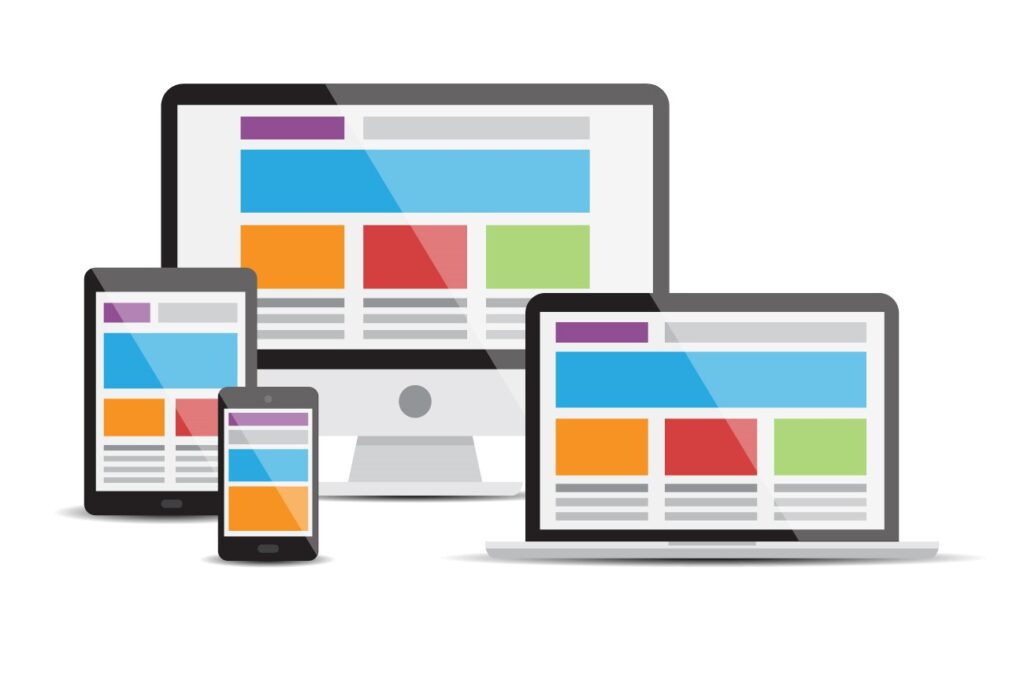
Every WordPress theme available today is designed to be fully responsive, meaning your website automatically adjusts its layout based on the screen size of the device being used — whether that’s a desktop monitor, a tablet, or a smartphone.
This matters enormously for two reasons. First, the majority of web traffic now comes from mobile devices. If your website doesn’t look and function well on a phone, you’re losing potential customers. Second, Google uses mobile-first indexing, meaning it evaluates the mobile version of your site when determining where to rank you in search results. A responsive WordPress site checks both boxes.
6. WordPress Has Over 60,000 Plugins
A big advantage to using WP is its plugin ecosystem. With over 60,000 plugins available, there is functionality available for virtually any feature you could want on a website — from SEO tools and contact forms to booking systems, live chat, social media integrations, payment gateways, and much more.
This extensibility is one of the reasons WordPress can be used to build everything from a simple five-page business site to a complex multi-vendor ecommerce platform. Want to add a booking calendar? There’s a plugin for that. Need to connect your website to your CRM or accounting software? There’s likely a plugin for that too.
We do recommend being strategic about which plugins you install — more on that in the cons section.
7. WordPress Is Flexible and Scalable
WP grows with your business. You can start with a simple, clean website and add features, pages, languages, and functionality as your business evolves — without having to rebuild from scratch.
We’ve built everything on WP at ZOO: single-page scrolling websites, multi-page corporate sites, ecommerce stores, corporate intranet tools, contest microsites, and more. The flexibility of the platform means it can adapt to a wide range of business needs, industries, and goals.
Take a look at some of our project stories to see how we’ve used WordPress to solve real business challenges for our clients.
The Cons of WordPress Websites (and How to Address Them)
1. WordPress Requires Regular Updates and Maintenance
This is probably the most important thing to understand about WP before committing to it: it requires ongoing maintenance. The WP core software, your theme, and your plugins all release updates regularly — and those updates need to be applied.
Why? Because outdated software is one of the most common reasons WordPress sites run into problems, both from a security standpoint and a performance standpoint. Updates often include security patches, bug fixes, and compatibility improvements.
If you have a small, simple site and you’re comfortable doing your own updates, this is manageable. But for most businesses, we recommend having a professional handle monthly maintenance to ensure updates are applied safely and that nothing breaks in the process. At ZOO, we offer ongoing website maintenance for exactly this reason — it’s the difference between a website that keeps performing and one that quietly deteriorates over time.
2. WordPress Can Be Vulnerable to Security Threats
Because WP is so widely used, it’s also a frequent target for hackers and malicious bots. The platform itself is secure when properly maintained, but vulnerabilities can arise through outdated plugins, weak passwords, or poorly coded themes.
The good news is that these risks are very manageable with the right practices in place: keeping software updated, using strong passwords, implementing security plugins, choosing reputable hosting, and working with experienced developers who follow security best practices.
At ZOO, security is a standard part of how we build and maintain client websites — not an afterthought.
3. Plugin Overload Can Slow Your Site Down
We mentioned earlier that plugins are a major strength of WordPress. They can also be a liability if not managed carefully. Each plugin adds code to your website, and too many — or poorly coded ones — can significantly slow down your page load times.
Page speed matters for two reasons: user experience (slow websites have much higher bounce rates) and SEO (Google uses page speed as a ranking factor). A bloated WP website loaded with unnecessary plugins can undermine both.
The solution is to be intentional. Use quality plugins, avoid duplicating functionality, and regularly audit what’s installed. A professional developer will know which plugins to trust and which ones to avoid. For tips on what makes a great website experience, read our 16 Tips to Designing an Amazing and Effective Website.
4. Templates Can Limit Your Brand
Off-the-shelf WP themes are a cost-effective starting point, but they come with a tradeoff: your website may look similar to thousands of others using the same template. For businesses where brand differentiation matters — which is most businesses — this can be a real disadvantage.
This is one of the reasons we focus on custom WordPress design at ZOO. Rather than applying a template and calling it done, we build websites that reflect each client’s unique brand identity, messaging, and audience. A custom-designed WordPress site gives you all the platform’s advantages without sacrificing the visual distinctiveness that makes your brand memorable.
5. WordPress Can Be Overwhelming to Build From Scratch
While managing a WP site is straightforward once it’s set up properly, building one from scratch — especially a custom, high-performing website — is a different matter. Between choosing the right theme or page builder, configuring plugins, setting up SEO correctly, and ensuring the design is responsive and on-brand, there’s a significant learning curve.
For businesses without dedicated web development resources in-house, trying to DIY a WordPress website often results in something that looks unpolished, performs poorly, or creates problems down the road. The time investment alone makes it worth considering professional help.
6. Not All Plugins and Themes Are Created Equal
The WordPress plugin and theme marketplace is enormous — and uneven in quality. Some plugins are actively maintained, well-coded, and reliable. Others are abandoned, bloated, or poorly written. Choosing the wrong ones can introduce security vulnerabilities, break your site during updates, or create compatibility issues.
Navigating this requires experience. When we build WP websites for clients, part of our process is vetting every component we use to ensure it’s reliable, actively supported, and compatible with the rest of the site’s architecture.
Custom vs. Template: Which WordPress Approach Is Right for You?
Not all WordPress websites are built the same way. There’s a big difference between installing a pre-made template and building a fully custom WordPress site. We’ve written a detailed breakdown of the tradeoffs in our article on Custom vs. Template Websites — worth reading if you’re still deciding on your approach.
In short: templates work well for very small budgets or simple needs, but for businesses serious about their brand, growth, and user experience, a custom build is almost always worth the investment.
Is WordPress Right for Your Business?
Here’s a straightforward way to think about it:
WordPress is likely a great fit if you want to manage your own content, value flexibility and scalability, care about SEO, and want a platform with long-term viability. It’s also the right choice if you’re working with a web development partner who knows how to build and maintain it properly.
It may not be the best fit if you want a hands-off, fully hosted solution with no maintenance responsibility, or if you have very specific technical requirements that fall outside WordPress’s strengths.
If you’re unsure which direction makes sense for your business, we’re happy to talk it through. We’ve helped hundreds of businesses figure out exactly this question.
Work With a WordPress Team That Knows What They’re Doing
At ZOO Media Group, we’ve been designing and developing custom WordPress websites for over 20 years. We don’t use cookie-cutter templates. We build websites that are strategically designed, on-brand, and built to perform — with SEO baked in from the start.
From initial strategy and custom design to development, launch, and ongoing maintenance, we handle the full lifecycle of your website so you can focus on running your business.
Sandra Dugas is a Founding Partner, Web Development Consultant, and Creative Director at ZOO Media Group, with over 35 years of marketing experience and a Business degree from the Schulich School of Business at York University. Her career includes branding and marketing roles with industry leaders including 3M Canada, Imperial Oil, and The Walt Disney Company, and she has since helped build over 400 custom web design and development projects for businesses ranging from entrepreneurial startups to multi-channel national corporations. Sandra's commitment to inspired, strategically driven design ensures that every project is on-brand and built to fuel long-term business growth.
Frequently Asked Questions About WordPress Websites
The WordPress core software is free to download and install. You will need to pay for web hosting, a domain name, and potentially premium themes or plugins depending on what your website requires. In total, costs can range from a few hundred dollars per year for a basic setup to several thousand for a fully custom-built site with premium functionality.
Yes — WordPress is one of the most popular and well-suited platforms for small business websites. It’s affordable, easy to manage once set up, and flexible enough to grow with your business. The key is having it built properly from the start, which is where working with an experienced web design agency makes a significant difference.
WordPress is secure when properly maintained. The most common security issues arise from outdated plugins, themes, or core software. Keeping everything updated, using strong passwords, choosing reputable hosting, and implementing security best practices (which a professional developer handles by default) significantly reduces your risk.
Not necessarily for basic content updates — WordPress is designed to be user-friendly for non-technical users. However, for core software updates, plugin management, security monitoring, and any design or functionality changes, having a developer handle maintenance is strongly recommended. Most issues we see with WordPress sites come from updates not being applied or being applied incorrectly.
WordPress offers significantly more flexibility, scalability, and control than hosted website builders like Wix or Squarespace. The tradeoff is that WordPress requires more setup and ongoing maintenance. For businesses that want a truly custom website with strong SEO capabilities and room to grow, WordPress is typically the better long-term choice.
Yes — WordPress is widely considered one of the most SEO-friendly CMS platforms available. With plugins like RankMath or Yoast SEO, you can manage technical SEO elements directly from your dashboard. That said, having the right SEO strategy and high-quality content is what actually drives rankings. Our SEO services go well beyond plugin setup to deliver real, measurable results.
Absolutely. WordPress combined with WooCommerce — the most widely used ecommerce plugin — is a powerful and flexible platform for online stores. It can handle everything from simple product catalogues to complex multi-vendor marketplaces with inventory management, payment gateways, and more.
Timelines vary significantly based on the size and complexity of the project. A straightforward five-to-ten page business website typically takes four to eight weeks. A larger custom site with ecommerce, multiple integrations, or complex functionality can take three to six months. At ZOO, we provide clear timelines at the start of every project so clients always know what to expect.
WordPress.org is the self-hosted version where you download the software and install it on your own hosting server — this gives you full control over your website, its code, and its data. WordPress.com is a hosted service run by Automattic that manages the hosting for you but comes with restrictions on plugins, customization, and monetization. For business websites, WordPress.org is almost always the right choice.
The cost of a custom or hybrid WordPress website depends on the scope, complexity, and features required. A professionally designed, custom-built business website typically starts around $5,000–$10,000 and can go significantly higher for complex ecommerce, multilingual, or enterprise-level sites. At ZOO Media Group, we provide detailed proposals tailored to your specific goals and budget. Contact us to get started.
A hybrid WordPress website starts with a premium theme or page builder framework — such as Elementor, Divi, or Beaver Builder — and is then significantly customized by a developer to reflect your brand and meet your specific needs. It’s a middle ground between a basic template and a fully custom build, offering more flexibility and a more polished result than a template, at a lower cost than building entirely from scratch.
A custom WordPress website is built entirely from scratch with no pre-made template — every design element and line of code is created specifically for your business. A hybrid uses an existing framework as a starting point and customizes it heavily. Custom builds offer maximum uniqueness, performance, and flexibility but cost more and take longer. Hybrid builds are faster and more affordable, making them a strong option for growing businesses with tighter budgets.
It depends on your goals and budget. If brand differentiation, performance, and long-term scalability are top priorities, a custom build is the better investment. If you need a professional, on-brand website on a more modest budget and timeline, a hybrid is often an excellent choice. At ZOO Media Group, we build both and will recommend the approach that makes the most sense for your specific situation. Contact us to discuss which option is right for
0
years in business
0
websites launched
0
projects completed
0
customer reviews
Decades of experience. Hundreds of successful launches. Countless client wins.