Often in the rush and excitement to start “doing business”, entrepreneurs can miss vital steps in building their company’s brand identity. While the first items to tackle are usually naming the company and coming up with a logo design, you must also consider the other elements that contribute to a strong brand.
At ZOO Media Group, we specialize in developing ultimate brand experiences for our clients’ businesses. We understand both the basics of building a strong brand identity, and the nuances that each element can bring to the overall feel for your company.
This article explains what a brand is and reviews the key aspects and steps of brand building. It explains how to use a brand funnel so that you understand exactly what tactics and communication pieces you need to create a great brand experience which willl in turn build brand loyalty and grow your business success for years to come.
What Is A Brand?
A brand is more than just a logo. It is a variety of integrated elements that come together and create a unique experience for the user. Consider static features like the product, logo and packaging but also the feeling a consumer gets when they see or experience your product or service or visit your website. In simple terms, your brand is defined by a customer’s overall perception of your business.
When you think of highly successful brands like Apple or Starbucks, this usually includes people that are so passionate about the brand, they become ambassadors! They are not passionate about a logo, they have connected emotionally with the entire experience of that brand. When you can connect with your customers and create trust, you have the foundation for a lasting relationship and a solid brand identity.
Why is Branding Important?
Why is branding so important? Because your business depends on it! Competition between businesses today is fierce. To stand out in the crowd, companies need a recognizable brand that is vibrant and unique.
Having a strong brand identity will help people recognize your company and product or service offerings. Consumers will remember their experience they had with your business and connect emotionally with your brand. Your brand identity is what will distinguish you from your competitors and make you standout.
Having a strong brand helps with employee recruitment since you have created a reputable company that people want to be associated with and it also increases the value of your business with investors. Another advantage of a strong brand is that it enables you to command higher prices because customers value and expect a premium experience from your product or service.
How to Create a Strong Brand Identity
Here are the steps to creating a strong brand identity for your business:
Establish your company vision, mission statement and target audience
Define what differentiated you from your competition
Explain your product or service’s values, features and benefits
Design your brand image
Implement your marketing strategy using a brand funnel
Manage your brand
Vision, Mission and Target Audience
Take some time to really dig in and clearly define the vision and mission for your company’s brand. Who is your ideal customer? Are you targeting high end consumers or discount shoppers? What type of emotions are you hoping your brand will elicit with your potential customers? It’s crucial to define and understand who your target audience is so that you can properly market to them.
Your brand identity must resonate with your audience to build brand awareness. The last thing you want to do is rush through the brand building process only to realize your audience doesn’t connect with your brand. Understanding your business vision, mission and customers is key to creating a brand you will be proud of.
Differentiate your Business from your Competitors
Another important step to building a strong brand identity is to analyze your competitors. Look at all the businesses in your industry, in your region, country and in other parts of the world and pay close attention to their branding and messaging. What are your competitors’ strengths and weaknesses? What makes your business unique?
Your brand won’t be effective if it’s just a carbon copy of another company. Determine what your company, product or service’s features and benefits are and what makes them special. Make sure these unique qualities are communicated and reinforced in your brand messaging. Be original in your branding message and people will take notice and have a positive response.
Explain the Product or Service Experience
Your product or service offering is by far the most important aspect of the brand experience. If your product or service doesn’t live up to expectations, it will leave your customers with a very negative view of your brand.
We recommend spending some time perfecting the functional attributes of your product. Once the product is well-designed and efficient, it’s time to review the aesthetics of the item and how things like colour and shape will affect the user experience. When creating the packaging or product information brochures for your new products, make sure to list its features and benefits. Other considerations are pricing and distribution. Is your product priced competitively? Where and how are you going to distribute and sell the product to your target audience?
Don’t underestimate the customer service experience. If your business is based on a service, the same important brand aspects apply. You will destroy the whole brand identity and experience and any chance of future customer referrals if your service levels are poor and you do not meet deadlines. When you provide a service experience that is memorable — from the client’s initial contact with your company, up to and including the final sale – people will notice. Always under promise, and then over deliver.
Many times, a brand is built around the experience and not just the product. Consider the skyrocketing success of Starbucks. Is their coffee really worth 2 or 3 times more than the coffee shop on the corner? Or is it about more than just the coffee? Starbucks created a luxurious experience for their customers when they added leather club chairs beside a fireplace, jazzy music softly playing in the background and your name (not a number) attached to your order.
It’s not just about the coffee. If you create a positive brand experience for your customers, you’ll enjoy continued patronage, not to mention free promotional word-of-mouth from your faithful fans and brand followers.
Another example is the movie theatre. Why are people willing to pay the same amount to see one movie at the theatre as their whole month of Netflix? Because it’s an experience! As you enter, you smell the buttery popcorn, you can recline in a lounging chair and some theatres have even started serving alcohol.
The experience makes the consumer feel special and establishes a connection. Consumers will pay more for brands that offer unique experiences.
Designing The Elements of Your Brand
Now that you have done your research and have a good grasp of the unique qualities your business offers its customers, its time to design the visual elements of your brand.
The visual elements of your brand consist of your new logo, colour scheme, typography (font treatment), graphics and imagery.
As mentioned earlier, a brand is more than a logo however when creating a brand identity, designing the logo is one of the first steps in the whole branding process. The logo is the basic mark of brand identity, the most prominent symbol of the brand image and the foundation of how the other marketing pieces will be created for a consistent brand look and feel that connects with the target audience.
Always make sure your company or product’s logo design is original and is not similar to other logos in your industry or resembles your competition. You don’t want people to confuse your brand for another company. Keep the logo design simple so people will immediately understand and be able to easily remember the company or product name.
Once the logo is designed, its time to create the other branded pieces such as stationery (business cards, letterhead, envelopes), labels, signage, brochures, packaging, social media profiles, car wrap design, presentation, and build a great website. Each of these marketing pieces must be created using consistent brand elements and should complements on another.
read article | Learn the 6 principles of effective logo design
Other important points you should keep in mind when developing your brand.
Stick to One Message
Decide early on what your business will stand for and then ensure consistent messaging in your marketing campaigns and brand creative to support this focus. When you consider some very successful brands, you will immediately understand what their one message is.
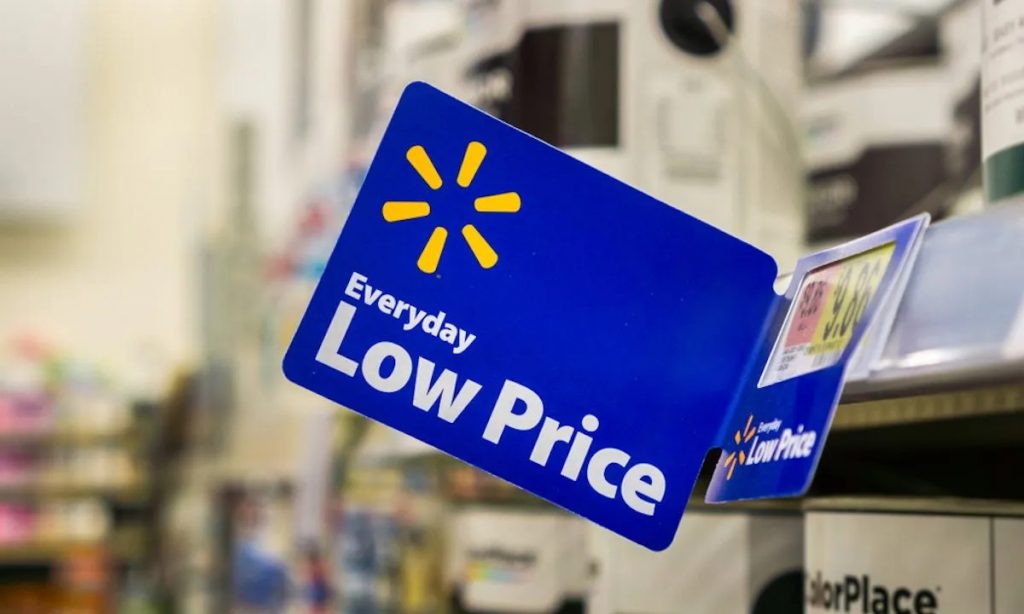
Walmart stands for value. Apple is known for innovation. Subway is all about fresh. These companies don’t want to be everything to everybody. They understand the value in sticking with a solo message and they focus on delivering on that promise.
Do it Right the First Time
Nothing kills a company’s momentum and traction like having to completely redesign their brand identity. Small tweaks to refresh an established brand after a number of years is one thing. But when a new business launches their brand without spending adequate time to research and plan their vision and identity, they may end up having to do a complete overhaul and start over which is not only time consuming but expensive!
Having to launch a new brand could potentially lose any dedicated customers they were lucky enough to secure and all that time, effort and money invested, even if it was a good deal at the time, would be wasted. Put your best calculated foot forward and get your branding right the first time.
Now that you have a brand identity in place, how are you going to build your brand awareness and grow your business? This is where a brand experience funnel tool can help.
Brand Experience Funnel
When you think about your customer’s brand experience, it can be helpful to picture a funnel. Each stage of that funnel brings you closer to your ultimate goal: earning repeat customers and generating referrals.
A marketing or brand experience funnel will reveal how to build a strong relationship between the customer and the product or company brand at different stages of the customer journey. The customer journey stages include: first contact, customer engagement, the customer commitment, understanding the brand, and potentials realized.
The top level of the funnel is your first contact with the potential client. This is where the prospect will discover your business while either searching online for a product/service or driving around.
First Contact tactics include things like finding your business on Google Maps, or a Google AdWords ad, an online banner ads, getting a flyer in the mail, hearing a radio ad or TV commercial, seeing your storefront signage, noticing your branded company vehicle, or driving by a billboard advertisement. These branded pieces are often the first time your target audience discovers your business.
It’s important that all of these First Contact tactics have a consistent brand identity so that your target audience will remember who you are. This is especially important because the consumer may not be ready to buy your product/service right away. So the company name or ad creative should be impactful to the person viewing it, so they will remember your business for when they are ready to make a purchase.
Engagement
Next you have the Engagement – also called the Connection stage. Once your target audience is interested, they might do an online search for your business, they will likely visit your website, examine your packaging in a store, or perhaps visit your showroom.
At this stage, you need to provide relevant information. Does your website have clear information presented in an easy to navigate format? Is your website mobile-friendly and AODA-compliant, accessible to users with disabilities and those on mobile devices?
Is your store or showroom properly branded, with a clean, well-designed interior that reflects your brand colours? Are your employees professional, courteous, and knowledgeable? And do your social media channels provide clear information about your company while actively responding to comments and questions?
Commitment
After discovering your company or product brand and connecting with it, the consumer then moves to the Commitment stage. This crucial step cements a commitment from them. This could be in the form of filling out an online form to book a consultation, being part of an in-person presentation, receiving a leave-behind brochure, an estimate/quote, or they might subscribe to your newsletter. What do these marketing touchpoints look like?
If you hope to achieve a commitment or sale, it’s crucial that all these various ways to communicate with your target customer to get their commitment are well designed and branded with clear communication during these preliminary stages.
Understanding
As we move down the brand experience funnel, we are now at the Understanding level. At this stage your superior product or service as well as excellent customer service will serve you well. Consider your contract – is it well branded and aligned with your brand identity, does it include details with timelines, is there a process and a guarantee? Are you sending a letter or email notification prior to the service, confirming the date, steps involved and what you need the client to do to be ready? Does your team ensure a positive brand experience; are they courteous, considerate?
They say to strike when the iron is hot. This is a great time to leave behind branded materials that reinforce your brand identity, such as a thank you letter, a referral program, maintenance tips, warranty information and perhaps even information about additional products or services that go hand in hand with what they just purchased.
Depending on your business and the size of the transaction, it may be appropriate to send a thank you card and even a small gift after the transaction. All these small touches contribute to the overall brand journey, enhancing the polished reputation you’re striving for.
Potentials Realized
We are now at the tip of the funnel and the Potentials Realized stage, where we establish the brand’s full value and complete the brand journey. After you have closed the sale or the “deal,” it’s essential to continue providing valuable communication and exceptional customer appreciation. Nurturing these ongoing relationships not only reinforces your brand identity but also builds trust, encourages long-term partnerships, increases customer loyalty, and generates positive reviews.
You could share a regular newsletter that educates existing clients about new products, services, and company updates, strengthening their brand experience and enhancing brand perception. Send direct mail with promotions designed exclusively for existing customers. E-blasts can highlight your latest blog posts, share product updates, or provide special offers — all effective ways to boost customer engagement and maintain a strong brand journey. Hosting client-focused events, such as seminars, demonstrations, or presentations with keynote speakers, provides an opportunity to create memorable brand experiences that leave a lasting impression.
Establish a referral program to encourage satisfied clients to recommend your brand to friends and colleagues. These referrals are often easier to convert because they come with a form of “pre-approval.” The trust you worked so hard to establish with client #1 naturally carries over to client #2, further strengthening your brand identity and enhancing brand recognition.
You may also consider creating feedback surveys to show clients that their opinions are valued. This is another strategic touchpoint that keeps your company, its services, and the brand experience in their awareness.
All businesses, large and small, can successfully build a strong brand identity. The key is understanding what your company represents, what consumers perceive as unique and valuable, and how to guide them through a complete brand journey — one that fosters trust, loyalty, and long-term engagement.
You have determined your brand identity and outlined a clear brand experience strategy for communicating your brand to your audience using the brand funnel tool. The final task is to ensure your brand is properly managed and that all brand elements are used consistently across your organization, maintaining a cohesive brand journey.
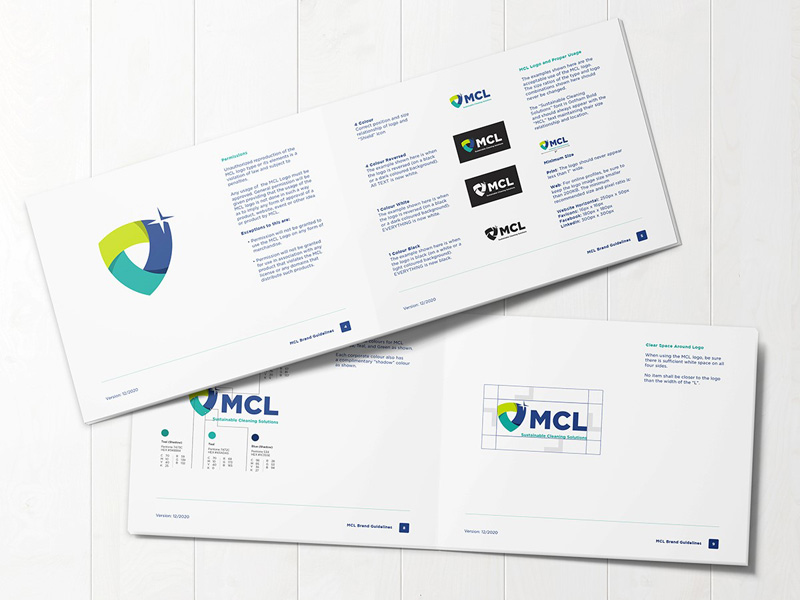
A brand guide should be created for your company. This brand identity guideline shows how the brand should be displayed and includes design elements and other brand marketing materials available for your team. This essential document should cover the brand’s color scheme, font types and sizing, proper logo usage, business card setup, letterhead, presentation templates, email signature setup, when and how to use taglines, and even pre-composed elevator pitches for your sales team. Proper use of these materials ensures brand consistency and strengthens your brand identity across all touchpoints.
We also mentioned how customer service is a critical component of brand experience, so thorough training for all employees on how to communicate with and treat customers and suppliers is essential. This training should also be incorporated into the brand identity guideline, reinforcing a consistent brand journey for every interaction.
Quality brands are built on trust, strong emotional connections, and lasting brand recognition. Don’t take your company’s brand development lightly — investing the appropriate time and resources upfront is critical. ZOO Media Group Inc. can help you establish a clear vision for your brand identity and develop a cohesive, impactful, and professional brand experience that will get noticed, be remembered, and earn trust for your business.
When investing in your brand, remember: you get what you pay for. Too often, businesses start with a logo designed by a friend, AI, or a discount online service. If the result feels unprofessional or doesn’t truly represent your company, the cost savings may not be worth it.
A brand is much more than just a logo. By hiring a professional, experienced branding and web development agency, you ensure that all facets of your brand identity are considered, creating consistency across all materials and mediums and reinforcing a strong brand journey.
Frequently Asked Questions: Building a Successful Brand Identity
Brand identity is the collection of visual and emotional elements that shape how people perceive your business. It includes your logo, colours, messaging, customer experience, and how your brand makes customers feel across every interaction.
A strong brand identity helps you stand out from competitors, build trust, command premium pricing, attract loyal customers, and even improve employee recruitment. It plays a key role in long-term business growth and customer loyalty.
To build a strong brand identity, clarify your company vision and mission, define your target audience, establish what makes you unique, design cohesive brand visuals, and deliver a consistent experience across every customer touchpoint.
Core elements include your logo, colour palette, typography, imagery, messaging, product or service experience, customer service, and brand storytelling. When these work together cohesively, they create a memorable brand.
A brand experience funnel maps the customer journey from first discovering your brand to becoming a repeat customer and enthusiastic referral source. It includes five main stages: First Contact → Engagement → Commitment → Understanding → Potentials Realized.
A logo is just one part of your visual identity. A brand reflects the entire customer experience — what your company stands for, how customers feel about you, and the reputation you build over time.
Analyze competitor strengths and weaknesses, highlight what makes your product or service unique, and consistently communicate your core value. Original branding and a distinct customer experience help your business stand out.
Consistent branding reinforces recognition and trust. Customers should have the same experience with your business online, in-store, and through customer service. Brand consistency builds credibility and loyalty.
Yes! Every business — large or small — benefits from a clear brand identity. Strong branding helps small businesses appear more professional, attract ideal customers, and compete with larger brands.
Brand guidelines define how your brand should be visually and verbally represented. They include logo usage rules, fonts, colours, messaging, and brand standards. They ensure consistency across marketing and communication materials.
A brand redesign may be needed if your identity no longer reflects who you are, confuses customers, or looks outdated. New businesses should avoid major redesigns by investing in proper brand strategy from the start.
Customer service is a critical part of the brand experience. When customers feel valued, they’re more likely to trust your brand, recommend your business, and stay loyal long-term.
Absolutely. Strong brands command higher prices, improve conversion rates, generate referrals, and enhance business valuation. Branding is a long-term investment in your company’s profitability.